Let’s talk about the weather – climate change and the phrase
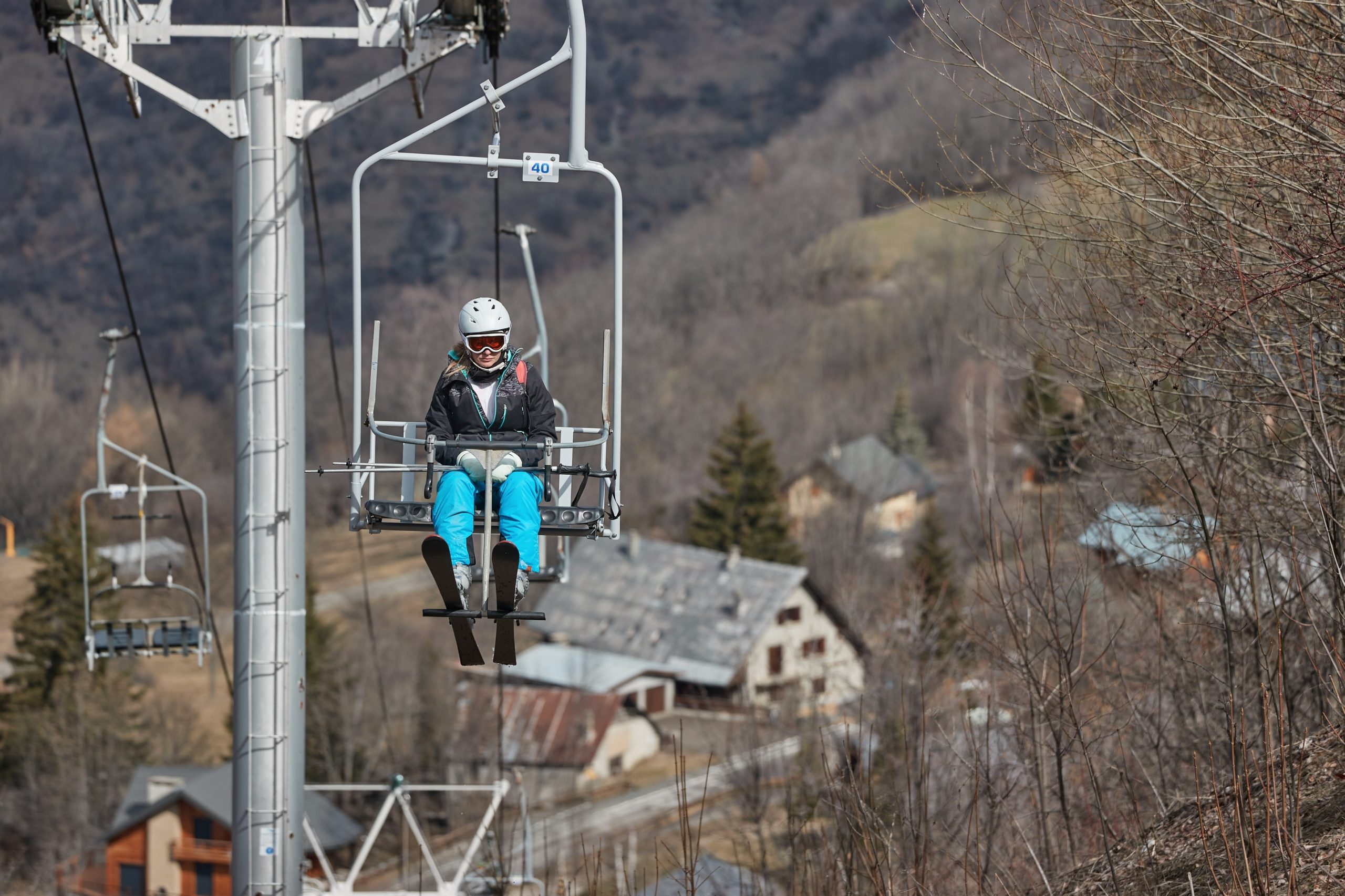
As ski season fast approaches, like many Brits, I’m looking forward to the winter months ahead. However, the snow in some popular destinations across Europe may well be melting away due to the rising temperatures caused by global warming. In fact, some are closing their slopes altogether this season and ushering in a new use for the rugged terrains.
One vulnerable location is Le Grand Bornand in France, it’s planning to sell off its ski lifts and convert the black, red and blue runs into mountain biking trails due to absent snow at 1,300m. Personally, having used the UK Mountain Bike Olympic site, just after the Olympics in 2012, although I am not sure I am that keen to visit the mountain ranges of Europe on two wheels!
Looking wider, the World Meteorological Organisation (WMO) has warned ski resorts that temperature level are rising, causing a predicted decrease in snowfall over the next few decades.
This means that resorts below 1,500m are at risk of closure as they will only be able to maintain their slopes by making artificial snow, a process that consumes vast amounts of water, energy and money.
Ski resorts are just one real-world example of how climate change is affecting the environment and the livelihoods and habitats that depend on it. The depressing predictions can sometimes be overwhelming, but it’s not until something familiar, that many of us in the West take for granted, that our eyes are opened even further to the effects of this global crisis. This global change is explored in detail in a book by @Bill Mguire, Hothouse Earth.
Bill explains the science behind the climate crisis and for the first time presents a blunt but authentic picture of the sort of world our children will grow old in. Bill identifies alternate phrases like climate breakdown and global heating rather than the common phrases we hear each day – climate change and global warming. The goal is to help to reframe the debate on what actions we can take as a society, whether that’s taking steps to control emissions or cut waste, or how we should adapt our own daily routines to contribute to the wider community.
Perhaps it’s time we changed our use of this language to recognise the severity of the challenge we all face as inhabitants on this planet? As marketing communications professionals working in the industrial space, we understand the gravity of the situation and aim to help businesses we work for to highlight the value of sustainability and to contribute to a greener future.