Halloween’s greatest marketers
October is the best time of year for fans of ghosts, ghouls, and pumpkin spice…everything. It’s also the perfect opportunity to delve into some of the most iconic characters in pop culture. But even though these characters may have questionable morals, there can be some lessons in there for modern marketers. Here’s some of our favourites:
Dracula
Marketing win – The master of personal branding
Even though Count Dracula was first introduced in 1897, his image remains timeless and instantly recognisable. No matter how many times the story is reimagined or rebooted, his brand consistency remains. Dracula doesn’t come with a new look each decade (excluding a brief moment in Blade Trinity), instead he keeps his cape, accent, and most importantly allure the same.
For today’s marketers the lesson should be to establish a core identity early. While messaging can be flexible, with new elements added to respond to the market, the core brand voice and tone should be the same. That way your messaging should be recognisable for the next century, whatever new products and innovations are introduced. That core brand voice is ‘Dracula’s cape’, immediately making your company recognisable even to new customers.
Zombies
Marketing win – Sustainable scalability
Mindless shuffling corpses are common sight on screen. We’ve got zombie horror, action, sci-fi, Zom-coms, and even historical period zombie dramas. The original idea of what zombies represent is an ongoing discussion as the dead rising has been a worry for humanity almost forever. The word ‘zombie’ however was first recorded in a 1819 poem before migrating to western literature in the 1920s, with our modern understanding of what zombies are from Night of the Living Dead in 1968. Since then zombies have been seen as mindless consumers, warning audiences of the dangers in following the crowd too closely.
The one consistency in all the genres of undead (or infected) is that they scale rapidly. So, what’s the lesson? While every business of course wants to grow, but it’s important to scale without losing soul. Scaling must happen with authenticity, opting for rituals not monotonous routines. Corporate newsletters, for example, should not be a place to repeat messaging that has already been seen 100 times, it should be something that subscribers look forward to that offers real value and evolves over time. Unlike zombies who will chase anyone in front of them, marketers and communicators must look to scale for quality, building trust with potential customers that move the needle.
Dr Frankenstein
Marketing win – Crisis management (or lack of)
Dr Frankenstein had many of the right parts for a successful launch. He was an innovator, presenting groundbreaking research, and had a product that could have changed the world. What he didn’t have was a trustworthy brand ambassador. Dr Frankenstein’s forward planning ended as soon as his monster opened his eyes, turning what should have been a revolutionary advancement into a cautionary tale. There was no defined narrative, messaging, or crisis response, leaving an angry mob to write the next chapter.
Modern marketers should learn from Dr Frankenstein and implement crisis planning before the crisis. The doctor’s mistake wasn’t so much in creating the monster, that was clearly scientific genius, but in abandoning and distancing himself. This is like launching a product with no plan in place. Marketers and communicators have a responsibility to plan for any eventuality to support the needs of their customers, preparing to address crises before they are turned into a villain.
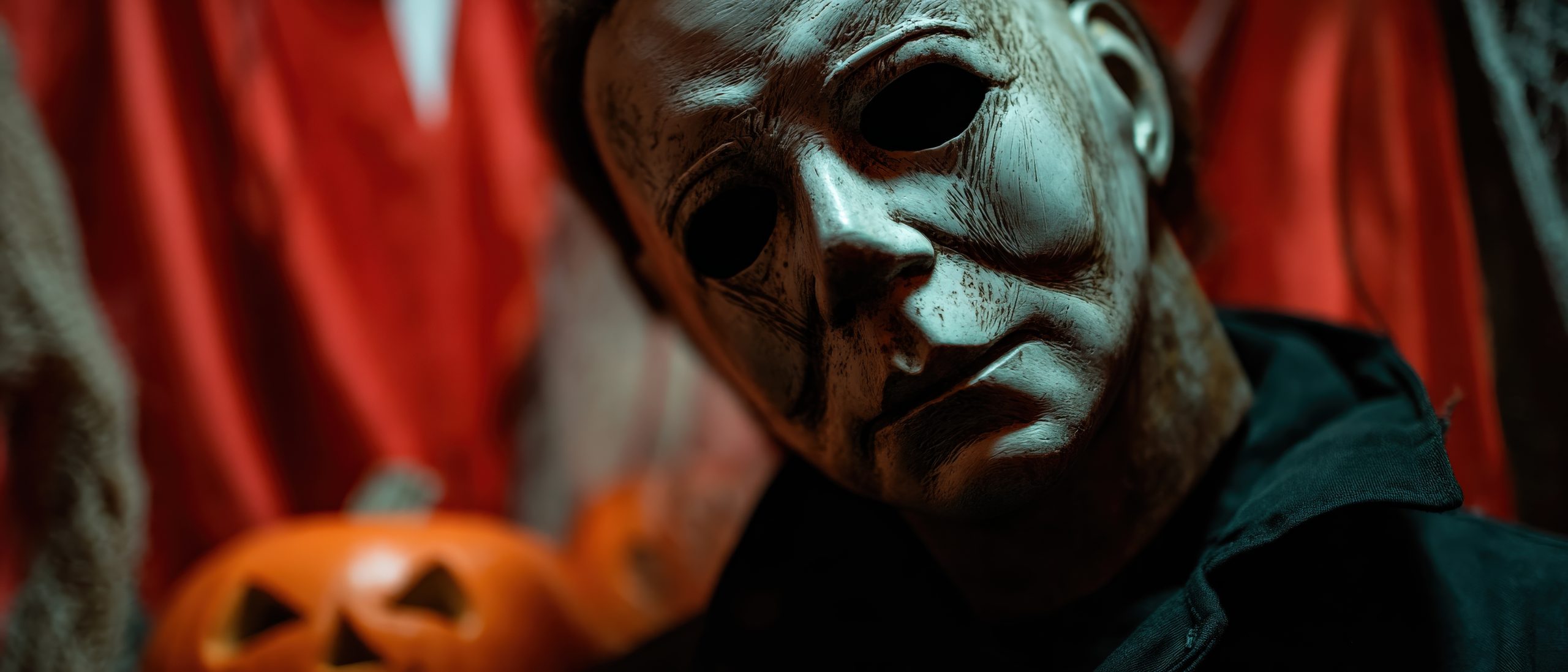
Michael Myers
Marketing win – Setting realistic KPIs
You can’t talk about Halloween icons without the absolute greatest, Michael Myers. This silent killer has been terrorising Haddonfield for over 40 years in multiple timelines and reboots. Michael’s motivation varies depending on those time timelines, sometimes he chasing an impossible family, sometimes he is sowing seeds of evil, or just killing whoever is in his path, but either way he is coming after Laurie. Similar to Dracula, Michael doesn’t innovate and certainly doesn’t need gimmicks to stay relevant. He is the best at what he does but has fixating on the pursuit of Laurie hindered his success?
The lesson here is that focus is good, but obsession is not. Some campaigns can have specific metrics of success, where only the right job role will do. It’s fine to have a main goal, but brands that stand the test of time will constantly assess whether they’re pursing the right objective. As marketers we all want to reach the top level decision makers but they might not be the biggest influencers of specific products. Michael Myers may be an unstoppable killing machine, but imagine if he diversified his approach? He could be a horror icon of fear across the whole country instead of only his hometown. Sometimes success is not chasing hard, it’s knowing when to change direction.
None of the icons mentioned in this piece would make ideal colleagues, but there are some lessons marketers can take away from their stories. While this is just a bit of fun, horror characters do represent successful marketing campaigns. They endure through clear positioning and defined messaging, so as you plan the final campaigns for the year, maybe take a page from your Halloween favourites and don’t let your plans turn into a horror!