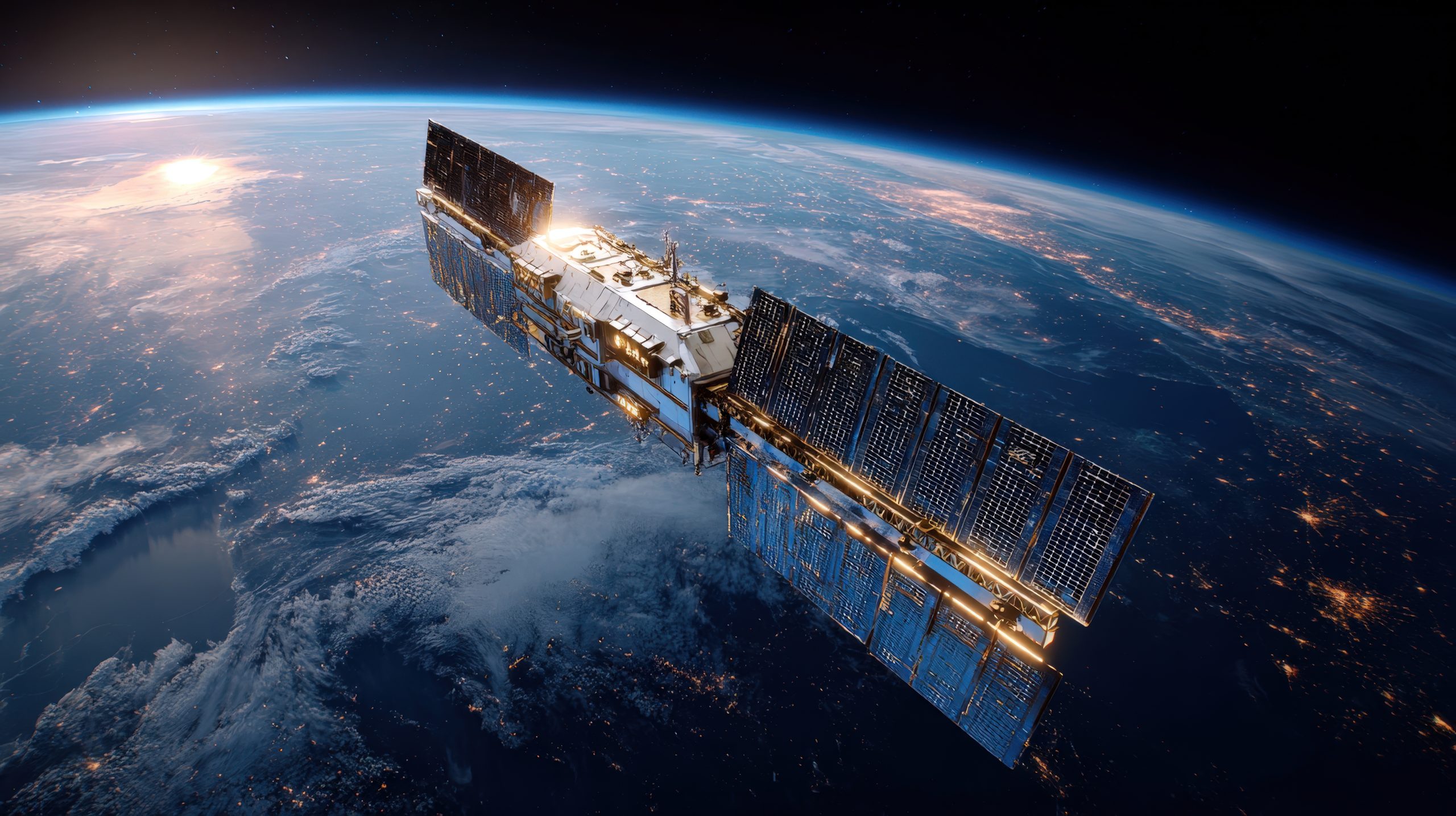
Data centres…IN SPACE!
At Cadence we love stories about space and we love stories about technology, so something that combines both is even better! Recent news about Elon Musk’s merger of SpaceX and AI startup xAI raises a question of what this could mean for space-based data centres. And with other tech leaders calling out the plans for being ‘ridiculous’, we thought it was a great time to look at the positives and negatives to moving our data processing needs upstairs.
So, why space?
Data centres are energy-intensive, requiring vast amounts of electricity, water, and advanced cooling. The thinking is that space is a vacuum to provide natural cooling. It also reduces the energy and water use on Earth, freeing up solar and wind energy resources in order to meet the growing population’s demand for electricity.
The pros:
- Solar panels in low earth orbit (LEO) can generate power with minimal interruption as their orbital path only takes them into the Earth’s shadow for around one third of the time. This ensures far higher power continuity than Earth-based solar power systems.
- The vacuum of space provides the solution to cooling, with servers installed in the shade of solar panels. Heat can be radiated away without the water-cooling systems required on Earth. This frees up water for communities and wildlife habitats back on Earth.
- Space-based data centres could be a starting point for more orbital infrastructure, acting as launch points that support further space exploration and even facilitate humans going to other planets.
The cons:
- Space is financially and environmentally expensive, even with reusable rockets reducing the costs, launching equipment into orbit for a space-based data centre remains costly and carbon intensive.
- Maintenance in space is also much more complicated than on Earth, especially on unmanned satellites. If hardware fails, it will mean a very complicated call-out or development of specialist robotic systems. This challenge will only get worse as LEO becomes increasingly congested.
- Security around data on Earth is strictly governed. If that data processing and transfer was now taking place in space, the questions would be who regulates orbital data? Who would have jurisdiction with data being shared far beyond country borders?
Moving data centres to space is visionary but impractical. While the idea is sound and LEO provides a solution to some of the challenges data centres present on Earth, the true cost is difficult to quantify. The concept does give insight into how the scale of compute demand is driving technology leaders to rethink data centre infrastructure. We can’t wait to see how this innovation develops, and of course we will always have a soft spot for space technology!