The end of coal power in the UK
After 142 years, the UK has finished producing energy from coal with the closing of the country’s last coal power station at Ratcliffe-on-Soar
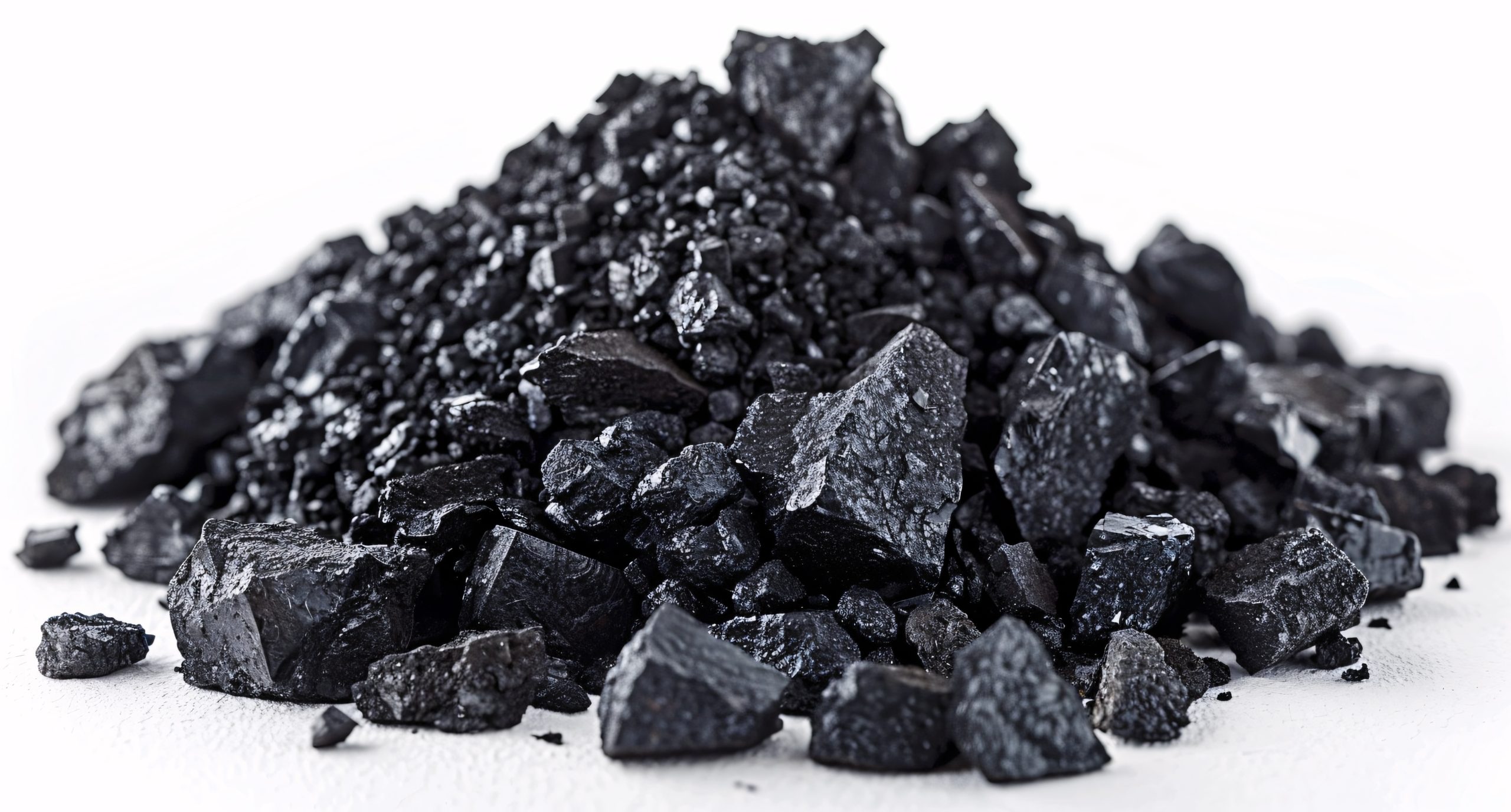
Today marks a major milestone in the UK’s move from reliance on fossil fuels, with October 1st as the date that the nation has ceased producing any electricity from burning coal. The UK represents the first major economy to completely give up coal despite our long history with the fuel. Britain was quick to adopt coal as fuel for steam engines during the industrial revolution. More recently, it was burned to power homes and businesses, meeting almost all the UK’s electricity needs. All the way up to 2012, coal played a crucial role in the grid and generated 39% of the UK’s power. Today, UK electricity generation is shifting towards renewable sources, representing a big stride forward to Net Zero by 2050.
The closing of Ratcliffe-on-Soar and all coal-based plants need not be bad news for the expert operators that have been employed in the industry for decades, in that time accumulating vital skills that must remain in the workforce. The skills gap is an issue that effects all industrial sectors, not just energy production, and by focussing on transitioning coal operators into roles for renewable energy or in fact any OT role is a strong opportunity to preserve jobs and ensure that engineering, maintenance, and operational knowledge is kept in the sector.
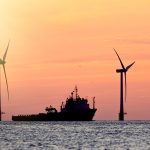
The end of coal-use in the generation of power highlights the UK’s rapidly expanding renewable energy sector, showing significant investment into offshore wind and solar projects. The Hornsea Projects are four record-breaking offshore wind farms that are further from the coastline than ever before and at a scale not seen with the current wind farms, in fact one rotation on a single turbine can power a household for 29 hours. Hornsea one and two are in operation, powering over 2.4 million homes, with Hornsea three and four in the development phase.
The Dogger Bank Wind Farm is another major UK investment in renewables, located more than 130km off the North East coast of England, once complete it will be the world’s largest offshore wind farm and be capable of powering up to six million homes annually.
And, the UK’s vision for a low-carbon energy supply doesn’t stop there with the development of Hinkley Point C that will feature two nuclear reactors, the first in a new generation of nuclear power stations in Britain to provide zero-carbon electricity for up to six million homes.
Looking at each of these investments, the UK is in a strong position to provide a stable energy supply that leans on clean sources to ensure energy security, despite the loss of the readily available, but rapidly depleting, polluting, coal.
The end of coal use in the UK is a significant stride towards a future powered by clean energy, while challenges exist, and there is still work to be done to ensure vital operator skills are kept, the UK is proving its position as a leader in clean energy. The closure of coal plants represents this perfectly as the date was actually brought forward a year as the UK moved to renewables earlier than expected.